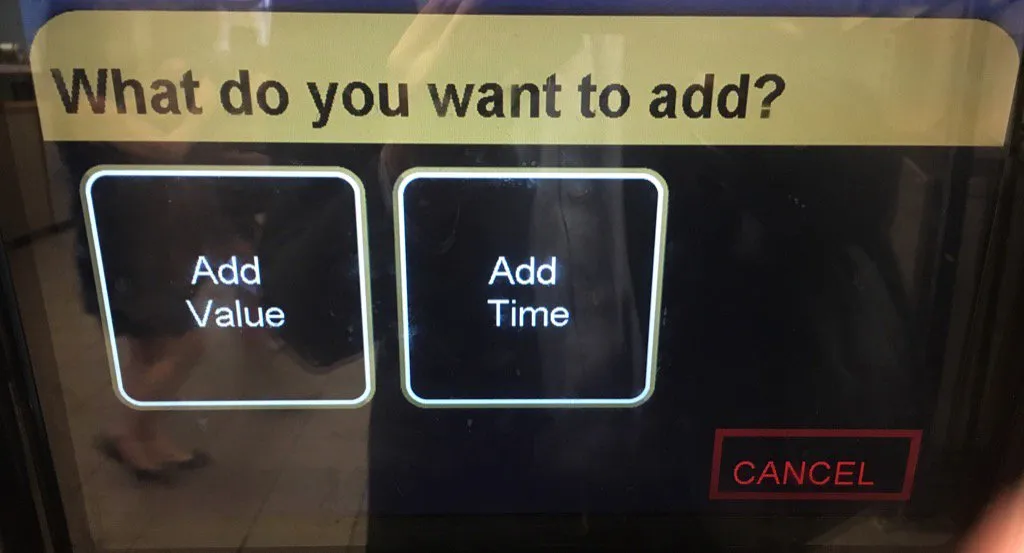
add value add time
It's 2026, and the MetroCard is dead.
2025 was a good year for my personal goals. I bought a home, renovated it, adopted a cat, fostered another, traveled internationally, switched my home PCs to Linux, began music lessons, and still made ample time for family and friends.
Professionally, it was a year of change. I've veered away from management and moved back to an IC role after 6 years in the manager seat. It was an exciting change and one that I'm quite happy about, but after transitioning from managing multiple managers and 20+ engineers to doing the work myself, I realized the model we use to measure impact is broken.
I need to ask the question: As an engineer with a fairly large scope, how can I ensure that I'm having an impact?
It's easy to fall into the trap of big plans. It's exciting to detail a complex system design, putting all of the pieces together. But while small plans tend to fizzle before they're accomplished, large plans are accomplished through small bits of progress. When we make a plan, we need to consider the outcomes and the aims. What do we want to achieve? Certainly not a 1% incremental improvement - that's not worth the effort. We have higher priorities.
As a senior manager overseeing multiple teams, large plans are the lingua franca. What are we doing this quarter? What are we doing this year? What's in our 3-year and 5-year plans? We set goals because they help us align on what is important to achieve, and goals that are too small and incremental don't fit the planning cycles to steer a large ship.
Managers communicate through the language of time. When will something be done? What is happening now? What happens next? Will we need to grow (or shrink), and when? Management is about the management of people as much as it is about the management of time, and in many ways, committing the team (and the company) to more time is how you measure success. It's not how it ought to be, but this is what it often boils down to in practice.
But for engineers, time is the enemy. Time is the thing that is in the way of the goal. We know that quality work takes time, but we wish it would take less. The faster we can achieve the goal, the faster we can move on and achieve another. Projects that span months, quarters or (god forbid) years tend to lose steam if not lose engineers. Without delivering value incrementally, there's no impact, and without impact, there's no satisfaction. Engineers are problem solvers, and we need to be shipping solutions.
So when planning this year, I'm not thinking about how I want to spend the time. Quarterly OKRs are fine for managers to set goals to align a team, but the period is too long and the definitions too amorphous to measure what matters. I'm instead thinking about how I can deliver value. What do I want to achieve, and what's the fastest way that we can achieve it? Can we move the needle 20% instead of 50% in 1/4th the time? Can we eliminate a class of problems by going deeper in the stack? How can we solve problems that impact real people, instead of writing big plans and designs that will take months or years to achieve?
Are we adding value, or are we adding time?